July 21, 2026
A roofing project affects much more than the appearance of a home or commercial property. The roof helps control moisture, protect structural materials, support energy efficiency, and preserve the value of the building. When installation or repair work is handled poorly, even small mistakes can lead to leaks, damaged insulation, mold growth, and expensive corrective work. Property owners therefore benefit from choosing professionals who understand how roofing systems are designed, installed, and maintained.
Skilled roofing companies bring planning, technical knowledge, and attention to detail to every phase of a project. Their experience helps them evaluate existing conditions, recommend appropriate materials, follow manufacturer requirements, and complete work with consistent quality. Rather than treating every roof the same, experienced professionals consider the building’s age, slope, ventilation, drainage, and exposure to local weather. This careful approach can make the difference between a roof that simply looks finished and one that performs reliably for years.
Evaluating Existing Roof Conditions
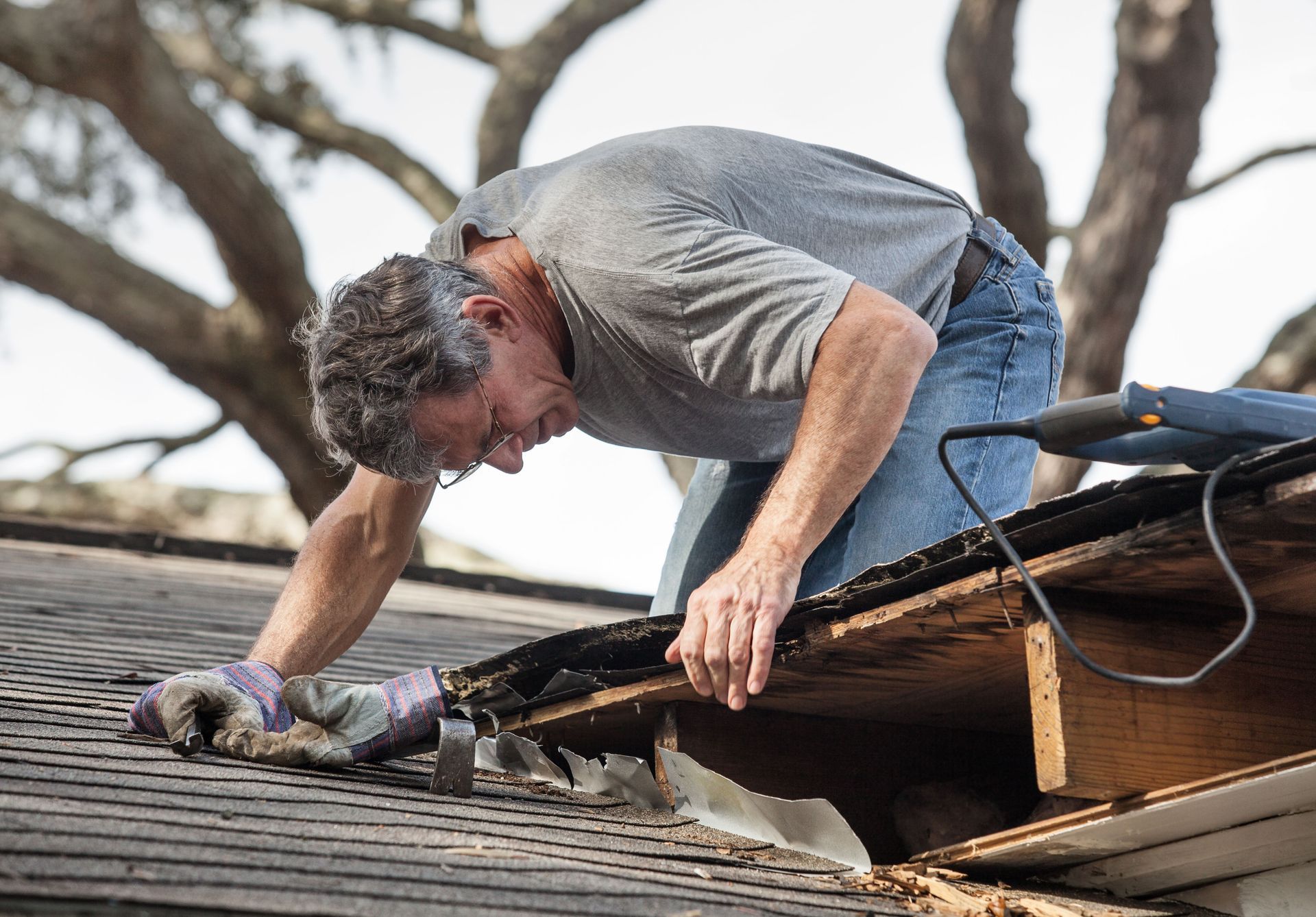
Quality roofing work begins with a thorough evaluation. Before recommending repairs or replacement, skilled roofing companies inspect the visible roofing materials and the components beneath them. They look for cracked or missing shingles, damaged flashing, soft decking, poor drainage, deteriorated sealants, and signs of moisture inside the attic or building. This assessment helps identify the full scope of the problem instead of focusing only on the most obvious symptom.
For example, a ceiling stain may appear to come from one damaged shingle, but the actual source could be failed flashing near a chimney or vent. Replacing the shingle alone would not solve the underlying issue. Experienced roofers trace the path of water, check surrounding materials, and determine whether hidden damage is present. This detailed process reduces the chance of incomplete repairs and helps property owners make informed decisions about the work their roofs require.
Selecting Appropriate Roofing Materials
Material selection has a direct effect on durability, appearance, maintenance, and cost. Skilled roofing companies explain how different products perform under specific conditions and help property owners compare their options. Asphalt shingles, metal panels, low-slope membranes, and other systems each have distinct installation requirements and expected service lives. The right choice depends on the structure, budget, climate, and long-term goals for the property.
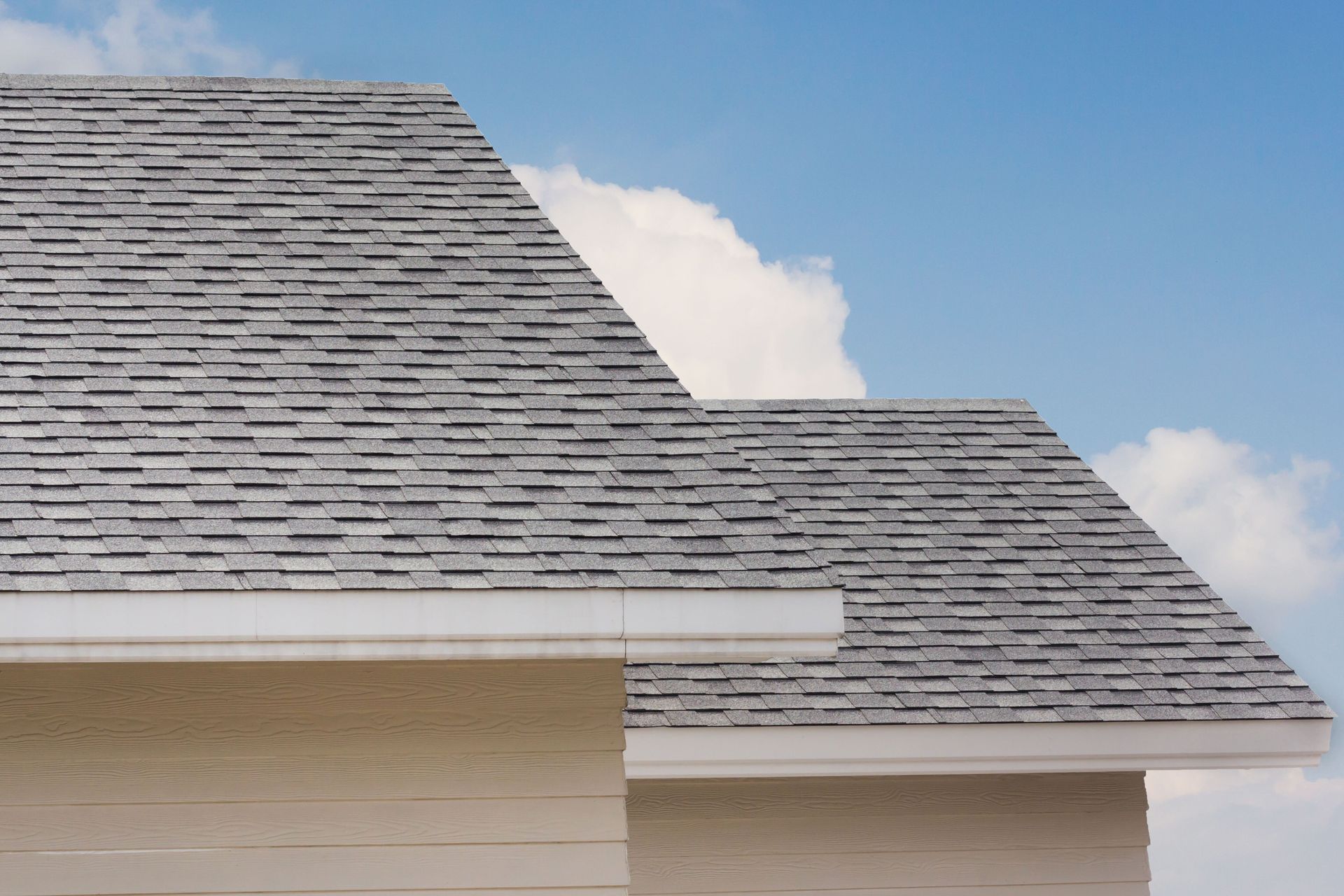
According to RubyHome, asphalt shingles are the most common roofing material and are used in roughly 80% of roofing projects. Their popularity does not mean every asphalt shingle product is identical or suitable for every building. Professionals consider factors such as wind ratings, impact resistance, color, warranty terms, and compatibility with the existing roof design. By matching materials to the project rather than choosing solely by price, roofers can support better performance and reduce premature deterioration.
Preparing the Roof System Correctly
Proper preparation creates the foundation for a successful installation. Reputable roofing companies do not simply place new materials over damaged or unstable surfaces. When replacement is necessary, crews remove old materials as required, inspect the decking, replace weakened sections, and prepare penetrations, valleys, and roof edges. They also install underlayment, ice and water barriers, drip edges, and other protective components according to the needs of the building.
Preparation is especially important because many critical roofing elements become hidden once the finished surface is installed. A roof may look uniform from the ground while concealing gaps, loose decking, or poorly placed barriers. These problems can allow water to travel beneath the visible materials and damage the structure over time. Careful preparation helps create a continuous protective system, giving the finished roof a stronger base and a better chance of meeting its expected lifespan.
Following Installation Requirements
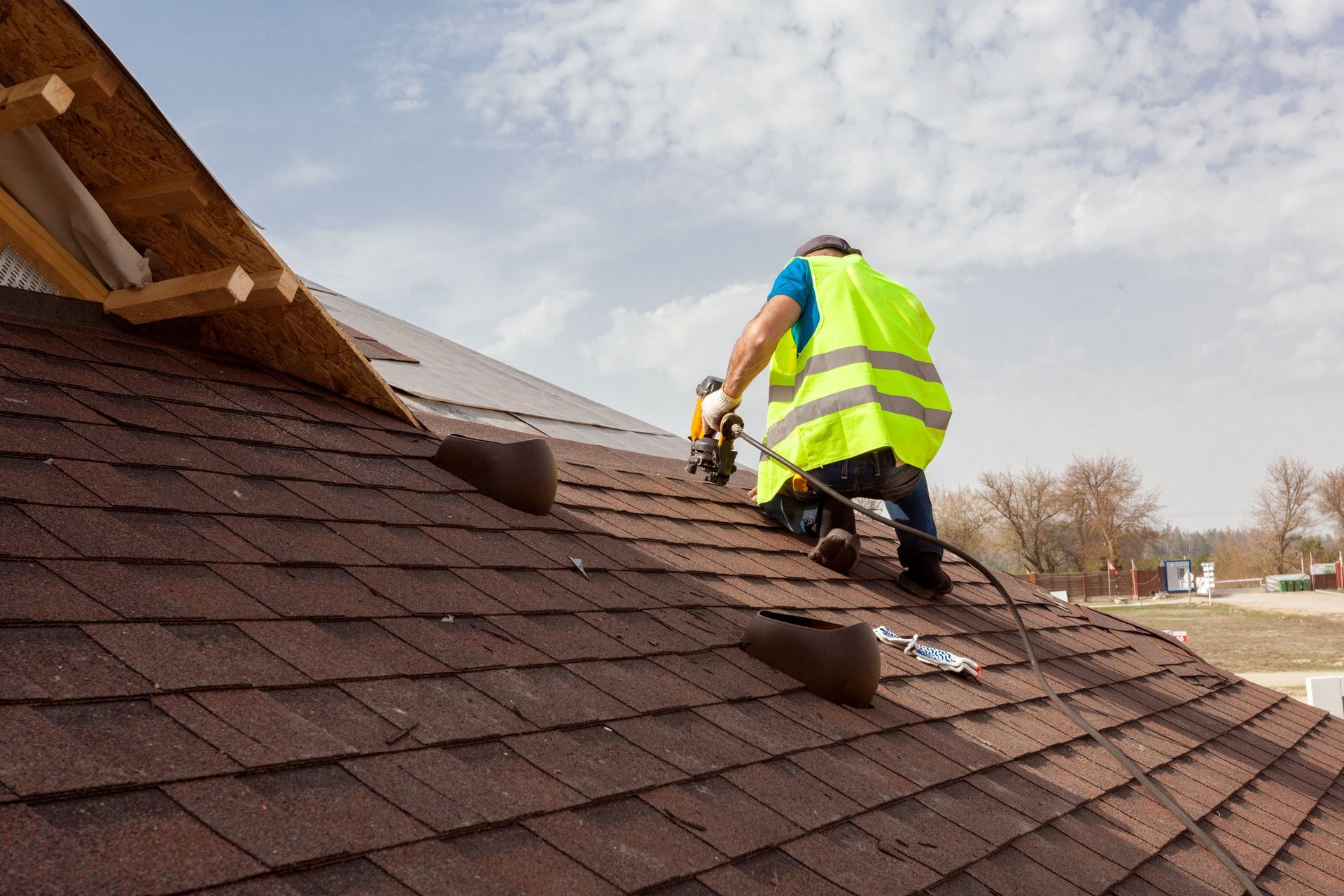
Roofing materials must be installed according to manufacturer instructions, building codes, and accepted industry practices. Skilled roofing companies understand details such as nail placement, fastener type, shingle alignment, flashing methods, membrane seams, and required overlap. These details may appear minor, but they affect how well the roof resists wind, rain, temperature changes, and normal movement within the structure.
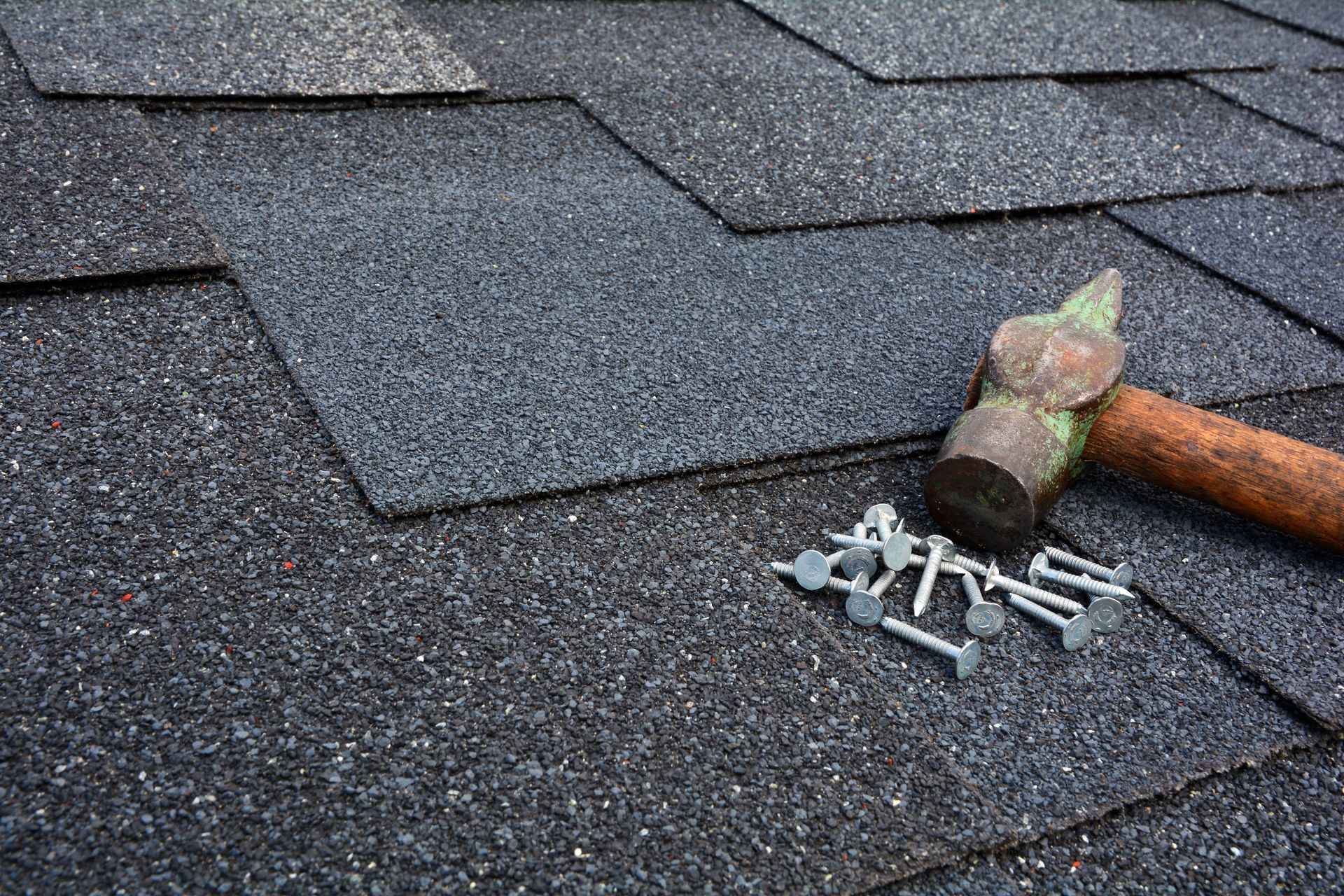
Incorrect fastener placement can damage shingles or leave them vulnerable to lifting. Poorly sealed flashing can direct water into walls instead of away from the building. Inadequate overlap can create openings where moisture enters during storms. Professionals follow established procedures to prevent these problems and maintain eligibility for applicable material warranties. Their knowledge also helps them adjust techniques for complicated areas, including dormers, skylights, chimneys, valleys, and transitions between different roof sections.
Managing Ventilation and Drainage
A roof must do more than block rain. It also needs to manage airflow, heat, and moisture throughout the building. Experienced roofing companies evaluate ventilation and drainage as part of the complete roofing system. Balanced intake and exhaust ventilation can help reduce heat buildup and limit condensation in attic spaces. Proper drainage directs water toward gutters, downspouts, scuppers, or other outlets before it can collect on the roof.
Ventilation problems may cause shingles to age faster, increase indoor temperatures, or contribute to moisture damage in framing and insulation. Drainage problems can create standing water, overflowing gutters, ice dams, and repeated leaks near roof edges. By identifying these concerns during a project, roofers can recommend practical improvements instead of replacing surface materials without addressing the conditions that caused earlier damage. This systems-based approach supports both roof performance and indoor comfort.
Protecting the Property During Work
Roofing projects involve heavy materials, ladders, tools, debris, and repeated movement around the property. Organized roofing companies plan how to protect landscaping, siding, windows, driveways, and outdoor equipment before work begins. Crews may use tarps, barriers, magnetic nail sweepers, and designated disposal areas to limit disruption and reduce the risk of damage. Clear jobsite procedures also help workers handle materials safely and keep pathways accessible.
Property protection continues throughout the project. Experienced crews monitor changing weather, secure loose materials, and cover exposed areas when necessary. They also communicate with property owners about noise, parking, pets, entrances, and daily cleanup. These practices may not change the appearance of the finished roof, but they strongly influence the overall quality of the service. A well-managed project respects both the building and the people who use it.
Verifying the Finished Roofing Work
A final inspection allows professionals to confirm that the completed work meets project requirements. Quality-focused roofing companies review shingle or panel alignment, flashing, sealants, vents, edges, penetrations, and cleanup before considering the job complete. They may also check the attic or interior areas for signs that require additional attention. This final review helps catch small issues while they can still be corrected easily.
Property owners also benefit from clear documentation and communication after the work is finished. Contractors can explain maintenance needs, warranty terms, warning signs, and recommended inspection schedules. Knowing what to watch for helps owners respond quickly if storm damage or normal wear develops later. The value of skilled workmanship extends beyond installation day because a well-built roof is easier to maintain, more predictable in its performance, and less likely to require avoidable repairs.
Choosing experienced professionals is one of the most important decisions in a roofing project. Skilled crews combine accurate assessments, appropriate materials, careful preparation, proper installation, and organized project management. Their work protects the building as a complete system rather than treating the roof as a decorative surface. By comparing qualifications, communication, scope details, and workmanship standards, property owners can select roofing companies that are prepared to deliver lasting value. Call Chastain Roofing today to schedule your roofing service.