May 21, 2026
Choosing the right shingle color is about far more than appearance alone. The color of a roof influences curb appeal, complements architectural style, affects how a home blends into its surroundings, and even contributes to comfort throughout changing weather conditions. Homeowners often spend significant time selecting siding, landscaping, and exterior accents, yet the roof can have one of the strongest visual impacts on the entire property.
Professional roofing services often guide homeowners through this decision carefully because the right asphalt shingle color can improve harmony between the home and the environment while supporting long-term satisfaction. Whether a property has a classic appearance, a modern design, or a rustic aesthetic, the roof color helps define the character of the home.
Climate also plays a role in selecting the best asphalt shingle shades. Different tones interact with sunlight and seasonal conditions in unique ways, which is why experienced professionals evaluate both regional weather patterns and the home’s style before making recommendations.
Complementing Traditional Home Styles
Classic home styles often pair best with timeless asphalt shingle colors that create a balanced and elegant appearance. Colonial, farmhouse, cottage, and craftsman homes usually benefit from natural-looking tones that feel warm and refined rather than overly bold.
Neutral shades are frequently recommended because they blend well with a variety of siding materials and exterior palettes. Earth-inspired colors can help traditional homes appear inviting while maintaining architectural integrity. Roofing services commonly suggest colors that emphasize the home’s established charm without overpowering decorative details.
For homes with brick or stone exteriors, muted shingle colors often create a cohesive appearance. Rich blends and textured finishes may also add subtle depth that enhances the roofline without drawing attention away from the overall design.
Traditional homes tend to age gracefully when paired with classic roofing colors because timeless palettes remain visually appealing even as trends change. Homeowners who prefer long-term versatility often appreciate this approach because it supports future exterior updates while maintaining a cohesive look.
Enhancing Modern Architectural Designs
Modern homes frequently feature clean lines, minimal detailing, and bold contrasts, which allows roofing color choices to become more dramatic. Darker asphalt shingles are often recommended for contemporary architecture because they create a sleek and sophisticated appearance.
Deep charcoal tones, cool grays, and bold black finishes can emphasize geometric shapes and modern materials. These colors may also create a striking contrast against lighter siding or minimalist landscaping. Roofing services often recommend streamlined shingle designs that contribute to the refined appearance modern homeowners seek.
In some cases, blended shingles with subtle dimensions help soften sharp architectural features while still maintaining a polished look. Homes with metal accents, expansive windows, or industrial-inspired finishes often pair especially well with darker roofing colors.
Modern homes located in warmer regions may also benefit from carefully selected shades that balance aesthetics with comfort considerations. Professionals often evaluate sunlight exposure, surrounding vegetation, and exterior materials before recommending a final color palette.
Matching Roofing Colors to Warm Climates
Homes located in sunny or consistently warm climates often benefit from lighter roofing colors that create a brighter exterior appearance. Lighter asphalt shingles may help reduce heat absorption while maintaining visual comfort throughout the hottest seasons.
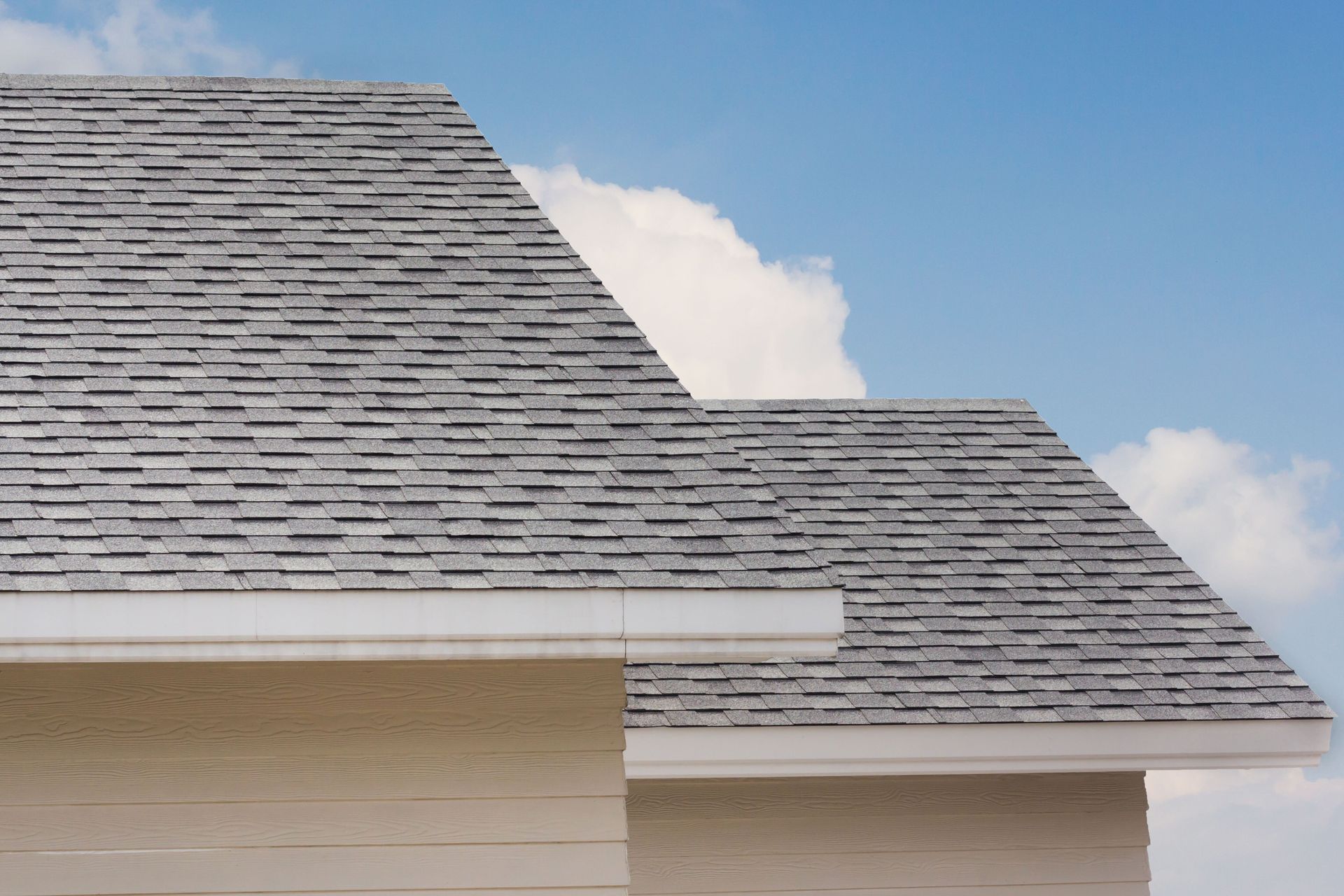
Soft beige, weathered gray, sandy tones, and lighter brown shades are commonly recommended for homes in warmer areas. These colors frequently complement tropical, coastal, Mediterranean, and southwestern architectural styles.
Roofing services may suggest lighter shingles for homes with extensive sun exposure because they contribute to a more comfortable environment while helping preserve exterior materials from excessive heat buildup. Light-colored roofing also tends to create a relaxed and airy appearance that fits naturally in sunny regions.
Many homeowners appreciate that lighter shingles can make a home appear larger and more inviting. They also pair well with landscaping features common in warm climates, such as palm trees, decorative stonework, and bright exterior paint colors.
Asphalt shingles continue to remain popular across many climate conditions and architectural styles. According to GMinsights.com, the architectural asphalt shingles segment generated around USD 4 billion in revenue during 2024, reflecting continued demand for durable and visually appealing roofing materials.
Coordinating Roofing Shades With Cold Climates
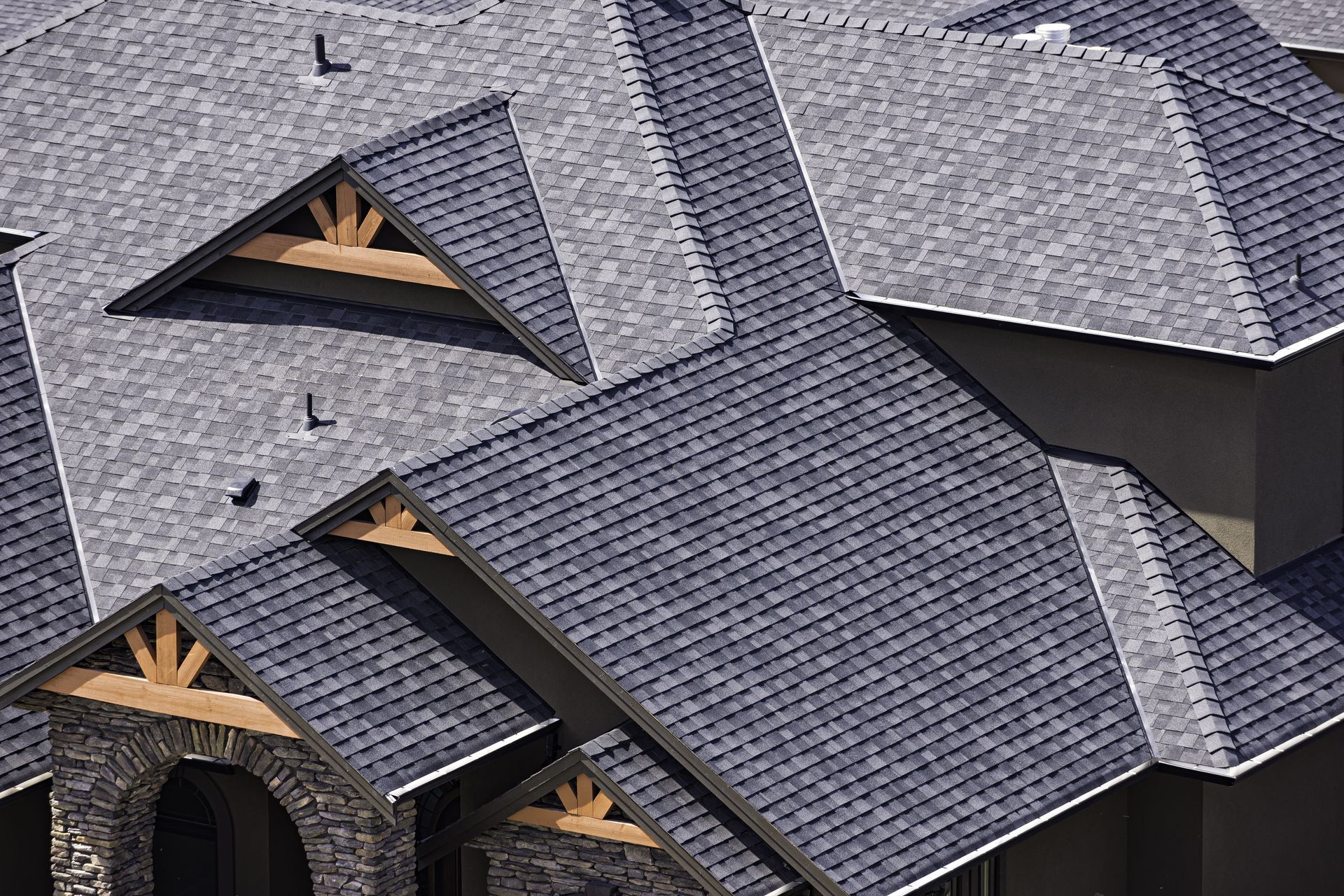
Homes located in cooler climates often benefit from richer and darker roofing tones that create a sense of warmth and visual depth. Deep brown, charcoal, slate-inspired shades, and forest-inspired colors are frequently recommended for regions with frequent cloud cover, snow, or seasonal weather changes.
Darker shingles can create a cozy appearance that complements cabins, mountain homes, rustic properties, and traditional suburban architecture. Roofing services may recommend these tones because they pair naturally with wooded surroundings and seasonal landscapes.
Homes in colder climates often feature exterior materials such as natural stone, darker trim, or wood accents, all of which coordinate well with deeper roof colors. Layered shingle blends can also add texture and dimension that help roofs stand out beautifully during the winter months.
Another advantage of darker roofing colors is their ability to create a strong visual contrast against snow-covered surroundings. Many homeowners enjoy the bold and dramatic appearance this creates during colder seasons.
Professionals also evaluate regional weather conditions carefully because certain roofing tones may age differently depending on environmental exposure. Selecting a color that maintains its visual appeal throughout changing conditions helps support long-term satisfaction.
Balancing Exterior Features With Roof Colors
A roof should complement the entire exterior rather than compete with it. Roofing services frequently evaluate siding, trim, shutters, stonework, landscaping, and even driveway materials before recommending asphalt shingle colors.
Homes with bold exterior paint colors may benefit from more neutral roofing shades that create visual balance. Conversely, homes with understated exteriors sometimes benefit from shingles that add dimension and character without overwhelming the design.
Color coordination becomes especially important when multiple exterior materials are present. Brick, stone, wood, and painted siding all reflect light differently, which means the same shingle color can appear dramatically different depending on the surrounding materials.
Roofing professionals often recommend viewing shingle samples outdoors under natural lighting conditions because sunlight changes how colors appear throughout the day. A shade that seems warm during the morning may appear cooler in the afternoon, depending on weather conditions and surrounding landscaping.
Texture also influences the final appearance of a roof. Architectural shingles with blended tones can add depth and movement that make a home appear more polished and visually dynamic. These subtle variations often create a more natural appearance than flat or uniform colors.
Creating Long-Term Visual Appeal
Roof replacement is a significant investment, which is why homeowners often prioritize colors that will remain attractive for years to come. Trendy shades may feel exciting initially, but timeless roofing colors often provide greater long-term satisfaction.
Roofing services frequently encourage homeowners to think beyond current design trends and focus on colors that complement the property’s permanent features. Exterior brick, stonework, mature landscaping, and neighborhood aesthetics all influence which roofing colors will continue to feel cohesive over time.
Neutral and nature-inspired tones tend to offer strong versatility because they coordinate well with evolving exterior updates. Homeowners may eventually repaint siding, refresh landscaping, or replace trim colors, but a balanced roof color can continue working harmoniously with those changes.
Curb appeal also affects overall property perception. A well-coordinated roof contributes to a polished appearance that can make the entire home feel more inviting and well-maintained. Because the roof occupies such a large visual area, color selection can significantly shape how the property is viewed from the street.
Professional guidance helps homeowners avoid mismatched combinations or overly trendy choices that may feel dated later. By considering architecture, climate, surroundings, and long-term goals together, homeowners can select asphalt shingle colors that continue to enhance the home for years to come.
Choosing the ideal asphalt shingle color involves balancing aesthetics, climate considerations, and architectural harmony. The right roofing shade can elevate curb appeal, complement the home’s design, and contribute to a cohesive exterior appearance that feels timeless and inviting. Because every property has unique features and environmental conditions, professional recommendations can make the decision process far easier and more effective.
At Chastain Roofing, we provide roofing services designed to help homeowners choose durable, attractive roofing solutions that complement their homes and perform beautifully in every season. Our team is committed to helping us create roofing systems that combine style, comfort, and long-term value for every property we serve.