How Roofers Handle Major Roofing Repairs
April 16, 2026

April 16, 2026

Major roofing repairs follow a structured process that ensures every issue is identified, addressed, and resolved with precision. From the initial inspection to final walkthrough, each step plays a critical role in restoring the roof’s performance and long-term durability.


Initial Assessment and Inspection

Scheduling On-Site Visit

The repair process begins with an on-site visit where roofers assess the condition of the roof and discuss visible concerns with the property owner. This step allows roofers to understand the scope of the issue and identify areas that may require closer evaluation. Early communication helps ensure that both roofers and the property owner are aligned on the observed problems and next steps.


Inspecting Roof Thoroughly

A detailed roof evaluation is conducted to identify both surface-level damage and underlying issues. Roofers examine shingles, flashing, valleys, ventilation components, and other key roofing structures. The goal is to determine the full extent of the damage and understand how different parts of the roof may be contributing to leaks, wear, or structural concerns.


Identifying Roofing Materials

Understanding the existing roofing system is an important part of planning repairs. Roofers assess the type of roofing materials currently in place, such as asphalt shingles, metal roofing, or flat roofing systems. This ensures that any replacement or repair work is compatible with the existing structure and supports long-term durability.


Documenting Damage Photographically

During the inspection process, roofers may take photographs of visible damage and key areas of concern. This documentation helps provide a clear visual reference of the roof's condition before repairs begin. It also supports communication between roofers and the property owner by helping illustrate the scope of work needed.


Summarizing Repair Findings

After completing the inspection, roofers prepare a summary of findings that outlines the observed issues and recommended repair steps. This summary helps the property owner understand what work may be required and provides a clear overview of the project scope before any repairs begin. According to This Old House, when replacing a roof, labor accounts for 25%-35% of the overall cost, while materials account for 55%-65%.


Strategic Roofing Materials and Project Preparation

Selecting the Right Materials

Once the evaluation is complete, roofers select materials that match the needs of the roof and the type of repair required. Material selection depends on factors such as roof style, existing components, and expected performance needs. Options may include shingles, metal roofing components, flat roofing systems such as TPO or EPDM, or specialized coatings depending on the structure.


Scheduling Project Timeline

Roofing repair work is scheduled in a way that allows for efficient completion while minimizing disruption to the property. Scheduling takes into account material availability, project size, and weather conditions when necessary. Proper planning ensures that each phase of the repair process is completed in a logical and organized sequence.


Communicating With Client and Confirming Agreement

Before work begins, roofers review the repair plan with the property owner to ensure clarity on the scope of work and expected process. This step helps establish clear expectations and ensures that all parties understand what will be completed during the project. Roofers use this stage to confirm alignment before any physical work begins.


Preparing Job Site Safely

Roofers prepare the job site by organizing materials and establishing safe working conditions. Careful preparation helps ensure the repair process is carried out efficiently and reduces risk during installation and removal work. Proper setup is an important part of maintaining an organized and controlled work environment for roofers throughout the project.


Hands-On Roofing Repair Work

Removal of Damaged Materials

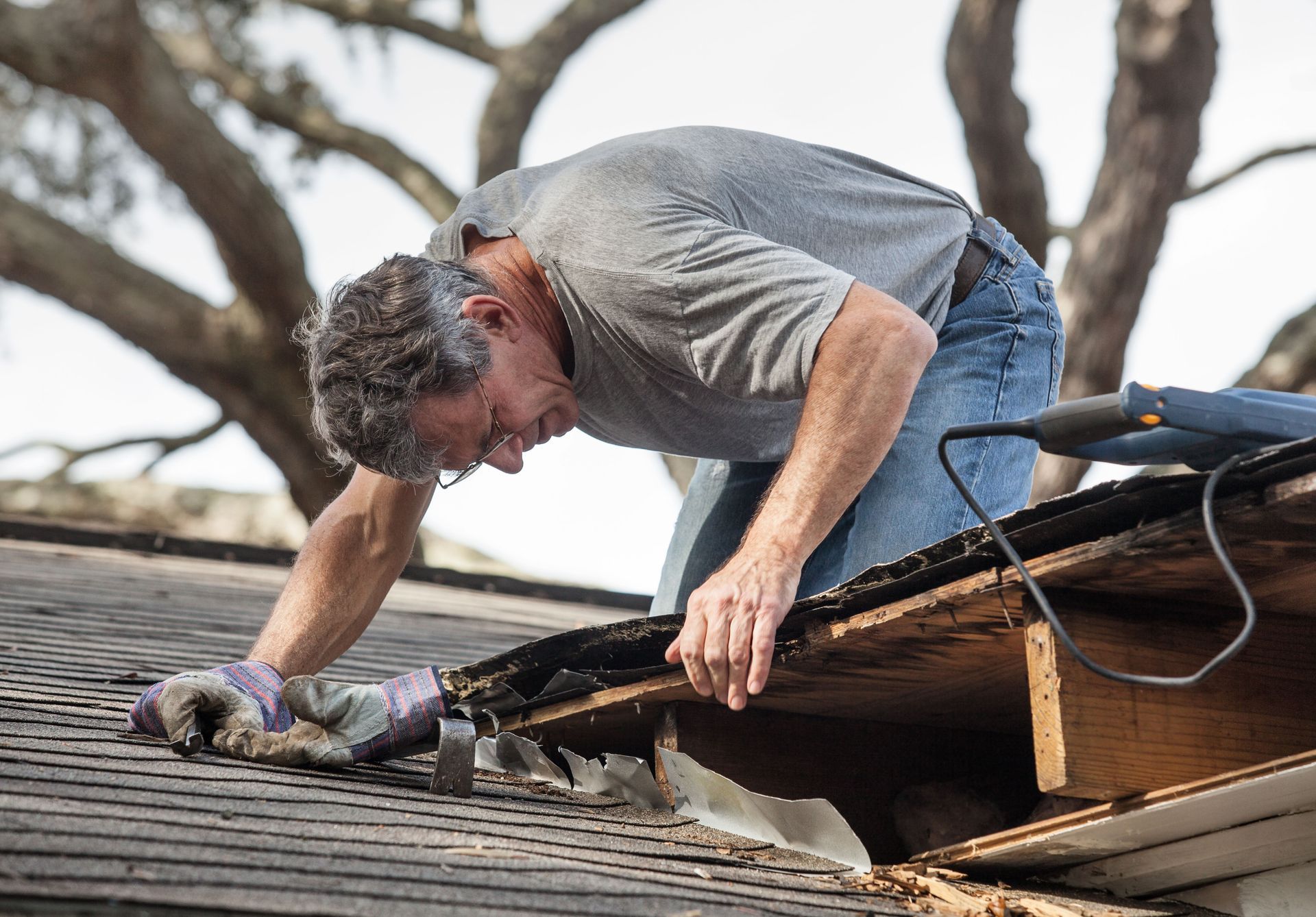
The repair process often begins with the removal of damaged or worn roofing materials. This step clears the surface so that new materials or repairs can be applied properly. Roofers take care to avoid unnecessary disturbance to surrounding roofing components during removal, ensuring the structure remains stable throughout the process.


Addressing Structural or Underlying Issues

If underlying issues are identified during inspection, roofers address them before proceeding with surface repairs. This may include repairing sections of the roof deck or reinforcing areas that show signs of wear or damage. Ensuring a stable foundation is essential for long-lasting roof performance and helps support the work completed by roofers.


Installation of New Roofing Components

New roofing materials are installed based on the selected system and repair plan. This may include shingles, metal panels, or flat roofing membranes such as TPO or EPDM. Roofers ensure proper alignment, secure fastening, and compatibility with existing roofing components to restore the roof's function and appearance.


Sealing and Waterproofing Roof Areas

To help protect the roof from moisture intrusion, roofers apply sealing techniques and reinforce vulnerable areas such as joints, valleys, flashing points, and seams. These steps help improve the roof's resistance to rain and weather exposure. Roofers carefully apply these methods to support long-term performance.


Checking Quality and Reviewing Work

After installation and repair work is completed, roofers perform a final review of the roof to ensure all components have been properly installed. This includes checking alignment, fastening, sealing, and overall workmanship to confirm that the repair meets expected standards. Roofers use this step to verify consistency across the entire roof system.


Final Post-Repair Maintenance and Inspection

Completing Final Inspection

A final inspection is completed to confirm that the repaired areas are functioning properly and that all identified issues have been addressed. This step ensures the roof is restored to a dependable condition and is ready to perform under normal weather conditions. Roofers use this inspection to confirm the completion of all required work.


Recommending Maintenance

Roofers may provide general maintenance guidance to help extend the lifespan of the roof. This can include recommendations such as keeping roofing surfaces clear of debris and monitoring areas prone to wear, such as flashing and drainage points. These recommendations help property owners understand ongoing care needs after roofers complete the project.


Conducting Client Walkthrough

Once the repair work is complete, roofers may review the completed project with the property owner to explain what was repaired and confirm that all expected work has been completed. This helps ensure clarity regarding the final outcome and allows roofers to address any final questions about the project.


Common Roofing Repair Challenges

Identifying Hidden Damage

Some roofing issues are not immediately visible and may only become apparent during the repair process. Roofers address these issues as they are discovered to ensure the roof is fully restored and no underlying problems remain unresolved. This helps maintain the integrity of the overall roofing system handled by roofers.


Managing Weather Conditions

Weather can impact roofing repair timelines, especially when working on exterior surfaces. Roofers plan work carefully and may adjust schedules as needed to ensure repairs are completed under safe and suitable conditions. These adjustments help maintain progress while protecting the quality of the work performed by roofers.


Managing Material Availability

In some cases, specific roofing materials may need to be sourced before work can continue. Roofers manage material selection and ordering so projects move forward efficiently and avoid unnecessary delays. This planning helps roofers maintain steady progress throughout the repair process.


Adjusting Project Scope

During repairs, additional issues may be discovered that require adjustments to the original repair plan. Roofers address these changes by reassessing the roof and updating the repair approach as needed to ensure complete restoration. This flexibility helps roofers respond effectively to changing project conditions.


Major roofing repairs require a careful, step-by-step process that moves from inspection and planning through to repair work and final evaluation. Each stage contributes to restoring strength, function, and long-term dependability to the roof while addressing issues such as leaks, damaged materials, and weather-related wear. Experienced roofers depend on proven methods to handle both straightforward and complex repair needs, ensuring the structure is brought back to a dependable condition. For more details on roofing repair, replacement, inspections, and exterior services like gutters, siding, ventilation systems, and skylights, learn more with Chastain Roofing.
roofing contractors
March 20, 2026
Do you know what services roofing contractors can offer for homeowners? Check out this article or give us a call at Chastain Roofing today for more information
roofing contractor
February 23, 2026
Metal roofing requires knowledge that goes beyond general installation experience. A professional roofing contractor who focuses on metal shingles understands the differences between aluminum, steel, copper, and zinc. Each material has distinct strengths, performance characteristics, and aesthetic qualities. Selecting the right metal depends on climate conditions, architectural style, and long-term goals. Aluminum is highly resistant to corrosion, making it ideal for coastal areas. Steel offers exceptional strength and affordability. Copper delivers unmatched longevity and a distinctive appearance that evolves. Zinc provides self-healing properties and impressive durability. A qualified roofing contractor evaluates these factors carefully before recommending a solution. According to This Old House, metal shingles offer the longest lifespan at 45 to 100 years, depending on material type, and require minimal maintenance over time. This level of durability is only fully realized when installation is handled correctly. A specialized roofing contractor ensures that underlayment selection, fastening systems, and ventilation components are compatible with the chosen metal, protecting your investment for decades. By working with a professional who understands product advancements, manufacturer guidelines, and regional building codes, homeowners receive informed guidance that supports both performance and longevity. Ensuring Precision Installation and Structural Integrity Metal shingle systems require advanced installation techniques that differ significantly from traditional asphalt shingles. Interlocking panels, concealed fasteners, and expansion allowances must be installed with exact precision. A skilled roofing contractor is trained in these specialized methods and understands how to prevent common issues such as oil canning, improper sealing, or water infiltration. Proper installation begins with detailed measurements and structural assessments. A professional roofing contractor evaluates roof pitch, decking condition, flashing requirements, and ventilation design before installation begins. This preparation reduces the risk of future complications and ensures structural integrity. Metal shingles expand and contract with temperature fluctuations. Without the correct fastening approach, this movement can compromise performance. An experienced roofing contractor accounts for thermal expansion and secures the system in a way that allows natural movement while maintaining strength. Attention to detail during installation translates directly into long-term durability. A roof that is installed correctly resists wind uplift, heavy rain, and extreme weather conditions. Choosing a contractor with proven metal roofing expertise protects your home from costly mistakes and premature repairs. Maximizing Long-Term Value and Cost Efficiency While metal roofing may involve a higher upfront investment than traditional materials, it delivers exceptional long-term value. A knowledgeable roofing contractor helps homeowners understand the full financial picture beyond initial installation costs. Metal shingles require minimal maintenance and fewer repairs over time. A metal roof's extended lifespan reduces the need for premature replacement, saving homeowners significant money in the long run. A professional roofing contractor will outline warranty options, material performance expectations, and projected maintenance requirements so clients can make confident decisions. Energy efficiency also plays a major role in cost savings. Metal roofing reflects solar radiant heat, helping to lower cooling expenses during warmer months. A skilled roofing contractor can recommend reflective coatings or finishes that further enhance energy performance. Insurance providers often recognize the fire resistance and durability of metal roofing systems. This may result in reduced premiums, depending on location and policy terms. By evaluating both immediate and future financial benefits, a specialized roofing contractor provides homeowners with a clear understanding of the return on investment. Delivering Superior Durability and Weather Protection Durability is one of the most compelling reasons to choose metal shingles. These systems are engineered to withstand harsh environmental conditions, including high winds, hail, snow accumulation, and intense sun exposure. A qualified roofing contractor confirms that installation methods are optimized for regional weather patterns. Metal roofing systems are designed to resist wind uplift far more effectively than many conventional materials. When installed by an experienced roofing contractor, they can withstand severe storms without loosening or detaching. This added protection offers peace of mind during unpredictable weather events. Fire resistance is another critical advantage. Metal shingles do not ignite when exposed to embers or lightning strikes, adding a valuable layer of safety. Moisture resistance also prevents rot, mold, and structural deterioration. By choosing a contractor who understands these protective qualities and installs the system accordingly, homeowners benefit from enhanced safety and structural security for decades to come. Supporting Sustainable and Energy Efficient Living Sustainability is increasingly important for homeowners seeking environmentally responsible building solutions. Metal roofing aligns well with these goals. Many metal shingles contain recycled materials and are fully recyclable at the end of their lifespan. A reputable roofing contractor can guide homeowners toward environmentally conscious product options. The reflective properties of metal roofing reduce heat absorption, which helps regulate indoor temperatures. A professional roofing contractor evaluates ventilation systems and insulation compatibility to maximize energy efficiency. Metal roofing also pairs seamlessly with solar panel systems. Its strength and longevity create a stable foundation for renewable energy installations. An experienced roofing contractor ensures that mounting systems are integrated without compromising roof integrity. By reducing waste, lowering energy consumption, and supporting renewable energy integration, metal shingles contribute to a more sustainable home environment. Enhancing Curb Appeal and Architectural Versatility Metal shingles offer exceptional design flexibility, making them suitable for both contemporary and traditional homes. A skilled roofing contractor helps homeowners select styles, colors, and finishes that complement architectural features and personal preferences. Modern metal shingles can replicate the look of slate, wood shake, or tile while delivering the durability of metal. This versatility allows homeowners to maintain classic aesthetics without sacrificing performance. A knowledgeable roofing contractor provides samples, visual examples, and design recommendations that align with the overall vision of the property. Color retention is another aesthetic advantage. High-quality finishes resist fading and chalking, ensuring the roof maintains its appearance over time. A professional roofing contractor ensures proper handling during installation to preserve factory coatings and surface integrity. By combining performance with visual appeal, metal shingles enhance property value and make a lasting impression. Choosing the Right Professional The reputation of your roofing contractor matters just as much as the materials used. A specialized metal roofing professional brings a track record of successful installations, satisfied clients, and ongoing industry education. Experienced contractors maintain certifications, participate in manufacturer training programs, and stay updated on evolving building standards. This commitment to professional development ensures homeowners receive high-quality workmanship and current product knowledge. Client reviews, project portfolios, and referrals offer insight into a contractor's reliability and craftsmanship. A reputable roofing contractor stands behind their work with strong warranties and responsive customer service. When you choose a contractor with proven experience in metal shingle systems, you gain confidence that your project will be completed efficiently, safely, and according to best practices. Hiring a specialized metal shingle roofing contractor is an investment in long-term performance, safety, and value. From material selection and precision installation to energy efficiency and aesthetic customization, these professionals provide expertise that goes far beyond basic roofing services. Metal shingles deliver unmatched durability, impressive lifespan, and versatile design options. However, their full potential can only be realized through proper installation and expert guidance. By partnering with an experienced roofing contractor, you protect your home, enhance its beauty, and secure lasting peace of mind. If you are ready to explore the benefits of metal shingle roofing for your property, contact our team today to schedule a consultation. Let an experienced roofing contractor at Chastain Roofing help to provide the knowledge, craftsmanship, and dedication for your roofing project.
February 20, 2026
Local roofers want their clients to feel confident in their investment, so they take the time to explain how to care for the new roof and siding.
Show More →