June 15, 2026
Flat roofing systems are unique architectural features that provide a modern aesthetic and functional space for both residential and commercial buildings. However, unlike sloped roofs that naturally shed water through gravity, flat roofs face specific environmental challenges, most notably ponding water and UV exposure. As a building owner, you will eventually reach a crossroads where you must decide whether to continue patching leaks or invest in a full system upgrade. This decision is rarely simple; it involves weighing immediate costs against long-term performance, energy efficiency, and structural integrity. Understanding the nuances of flat roof maintenance is the first step toward protecting your investment.
Assessing the Current Condition of Your Roof
The first step in any decision-making process is a thorough assessment. Flat roofs often hide their damage beneath the surface. While a sloped roof might show missing shingles, a flat roof may look perfectly fine while the insulation underneath is saturated with water. You should look for signs of "alligatoring," which occurs when the bitumen has cracked and looks like reptile skin, or "blistering," where air or moisture is trapped between layers.
Working with a professional inspector is essential during this stage. A qualified expert can perform an infrared moisture survey to detect hidden leaks that are not visible to the naked eye. If the damage is localized to a small area—perhaps around a single skylight or a specific drainage pipe—a targeted roof repair is likely the most sensible and cost-effective path forward. However, if the membrane has reached the end of its natural lifespan, typically 15 to 25 years in our experience, depending on the material, simple patches will only serve as temporary bandages on a much larger problem.
Identifying Scenarios That Favor Minor Repairs
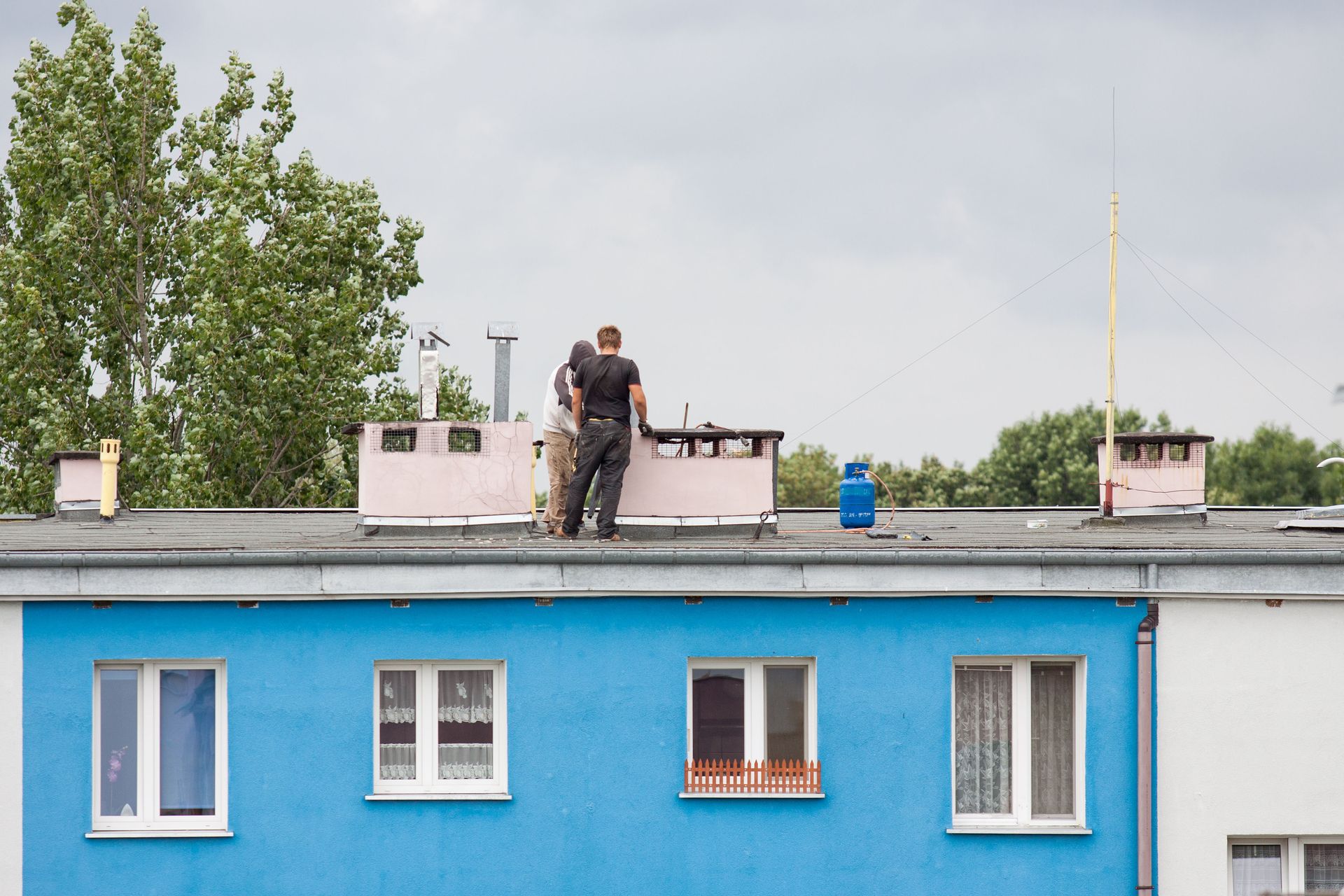
Minor repairs are ideal when the structural integrity of the roof remains intact and the issues are isolated. For instance, if a stray branch punctures a TPO (Thermoplastic Polyolefin) membrane or if a seam has slightly pulled apart due to thermal expansion, a professional can quickly weld or patch the area. Opting for a roof repair in these instances allows you to maximize the remaining life of your current system without the massive capital expenditure of a replacement.
Another scenario where repair is preferable is when the roof is relatively young. If your roof is only five years old and develops a leak, it is almost certainly a candidate for a targeted fix rather than a replacement. In these cases, the goal is to restore the "watertight" status of the building. It is important to remember that even small leaks should be handled by professionals. Attempting a DIY patch with improper materials can lead to chemical incompatibilities that actually dissolve the existing membrane, turning a small fix into a major catastrophe.
Recognizing the Warning Signs for Total Replacement
There comes a point where the frequency of leaks makes the cost of maintenance unsustainable. If you find yourself calling for a roof repair every time it rains, you are essentially paying for a new roof one patch at a time without getting the benefits of a warranty. Major red flags that indicate a need for replacement include widespread moisture infiltration in the insulation, significant sagging in the roof deck, or the presence of mold inside the building.
Furthermore, in our experience, if more than 25% of the roof surface is damaged, industry standards generally suggest that a full replacement is more economical in the long run. When the underlying insulation becomes wet, it loses its R-value, leading to skyrocketing energy bills. Replacing the roof allows you to install modern, high-efficiency insulation that can pay for itself over time through energy savings. Professional contractors will also check the structural deck during a replacement to ensure the building remains safe and stable.
Calculating the Long-Term Financial Implications
Financial planning is at the heart of the repair versus replacement debate. A roof repair is an operational expense—it is a quick fix to keep the building functional. In contrast, a roof replacement is a capital improvement that adds tangible value to the property. While the upfront cost of a new roof is significantly higher, it often comes with a 20-year or 30-year manufacturer warranty, providing peace of mind that repairs cannot match.
Market data also reflects the scale of the industry and the complexity of these systems. For example, the materials required for these projects represent a massive sector of the economy. According to Grand View Research, the market for fasteners used on U.S. flat roofs was valued at approximately $729.9 million in 2024. This figure underscores the sheer volume of flat roofing work being performed across the country and the specialized hardware required to ensure these systems stay attached during high winds and storms. Investing in a full replacement means you are getting a system engineered with this modern, high-quality hardware.
Evaluating the Benefits of Modern Roofing Materials
If you choose to upgrade, you are not just getting a new version of your old roof; you are getting access to significantly better technology. Older built-up roofs (BUR) using gravel and tar are heavy and difficult to maintain. Modern options like EPDM (rubber), TPO, or PVC offer superior UV resistance, better flexibility in cold weather, and "cool roof" properties that reflect sunlight.
When you transition from a cycle of constant roof repair to a new installation, you can also address drainage issues that may have plagued your building for years. A professional installer can add "tapered insulation," which creates a slight artificial slope on a flat surface. This ensures that water flows toward the drains rather than sitting in stagnant pools. Eliminating ponding water is the single most effective way to extend the life of a flat roof, and it is a structural improvement that can usually only be achieved during a full replacement.
Prioritizing Professional Expertise for Complex Systems
Regardless of whether you choose to fix or replace, the quality of the workmanship is the most important factor in the roof's longevity. Flat roofs are notoriously unforgiving. On a sloped roof, if a shingle is slightly off, gravity still helps the water move down. On a flat roof, a single pinhole or a poorly sealed seam will eventually result in a leak because water sits on the surface.
This is why the importance of working with professionals cannot be overstated. A professional contractor understands the chemistry of different membranes. They know that you cannot use asphalt-based products on certain single-ply membranes without causing a reaction. They also have the specialized equipment, such as hot-air welders for TPO or heavy rollers for EPDM, to ensure the roof is installed according to manufacturer specifications.
Deciding between flat roof repair and replacement is a pivotal moment for any property owner. It requires a balanced look at the age of the system, the extent of the damage, and your long-term financial goals. While a roof repair is a vital tool for addressing isolated leaks and extending the utility of your current membrane, there comes a time when the most fiscally responsible move is to start fresh with a modern, warranted system. By paying attention to the warning signs and consulting with experts, you can ensure your building remains dry, energy-efficient, and structurally sound for decades to come.
Navigating these choices can be overwhelming, but you do not have to do it alone. At Chastain Roofing, we bring years of specialized expertise to every project, ensuring that your flat roof receives the precise care it needs. Whether you require a sophisticated leak detection service or a comprehensive system overhaul, we are committed to providing durable solutions and exceptional craftsmanship. Reach out to us today to schedule your professional inspection and let us help you protect what matters most.